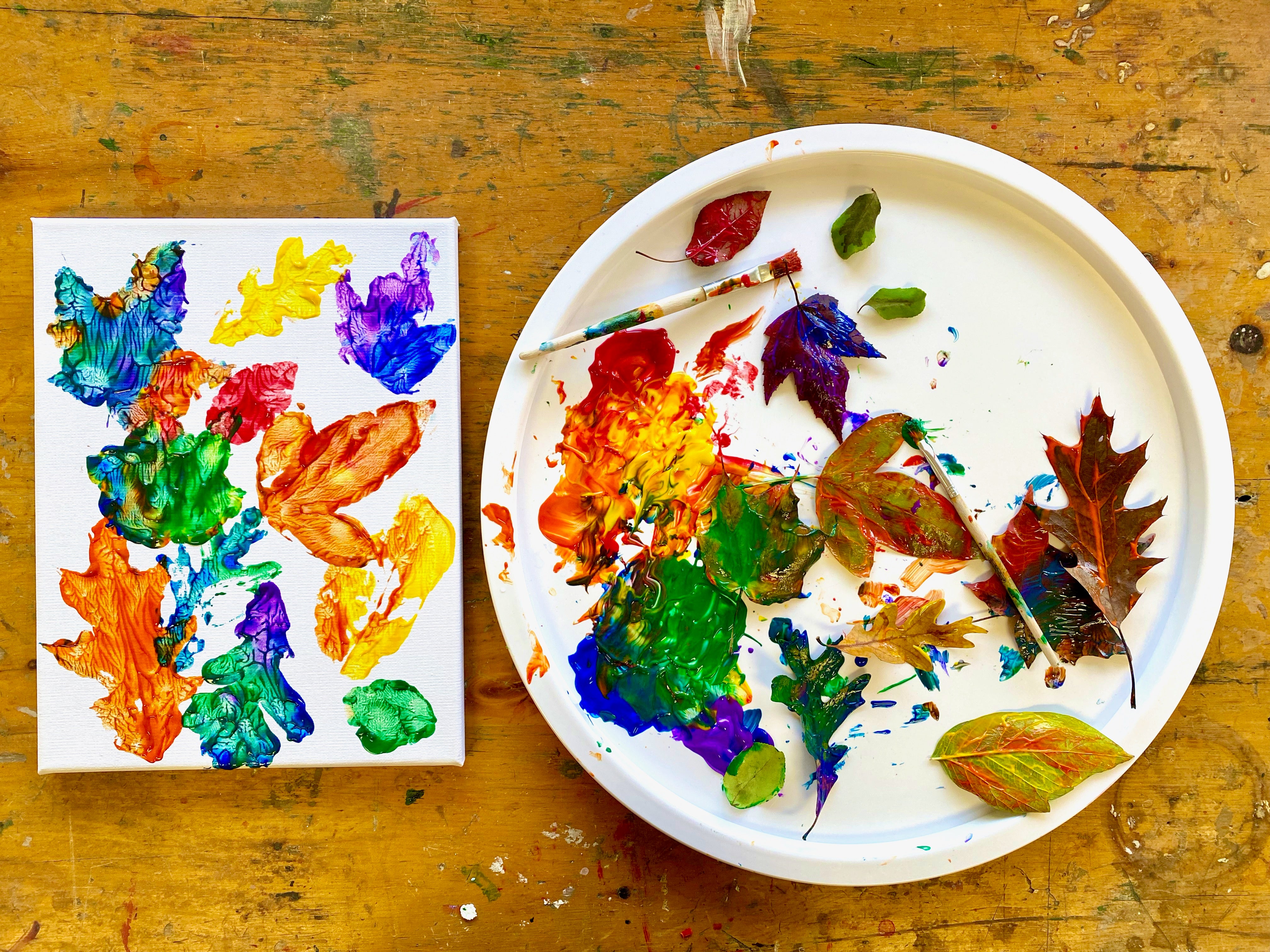
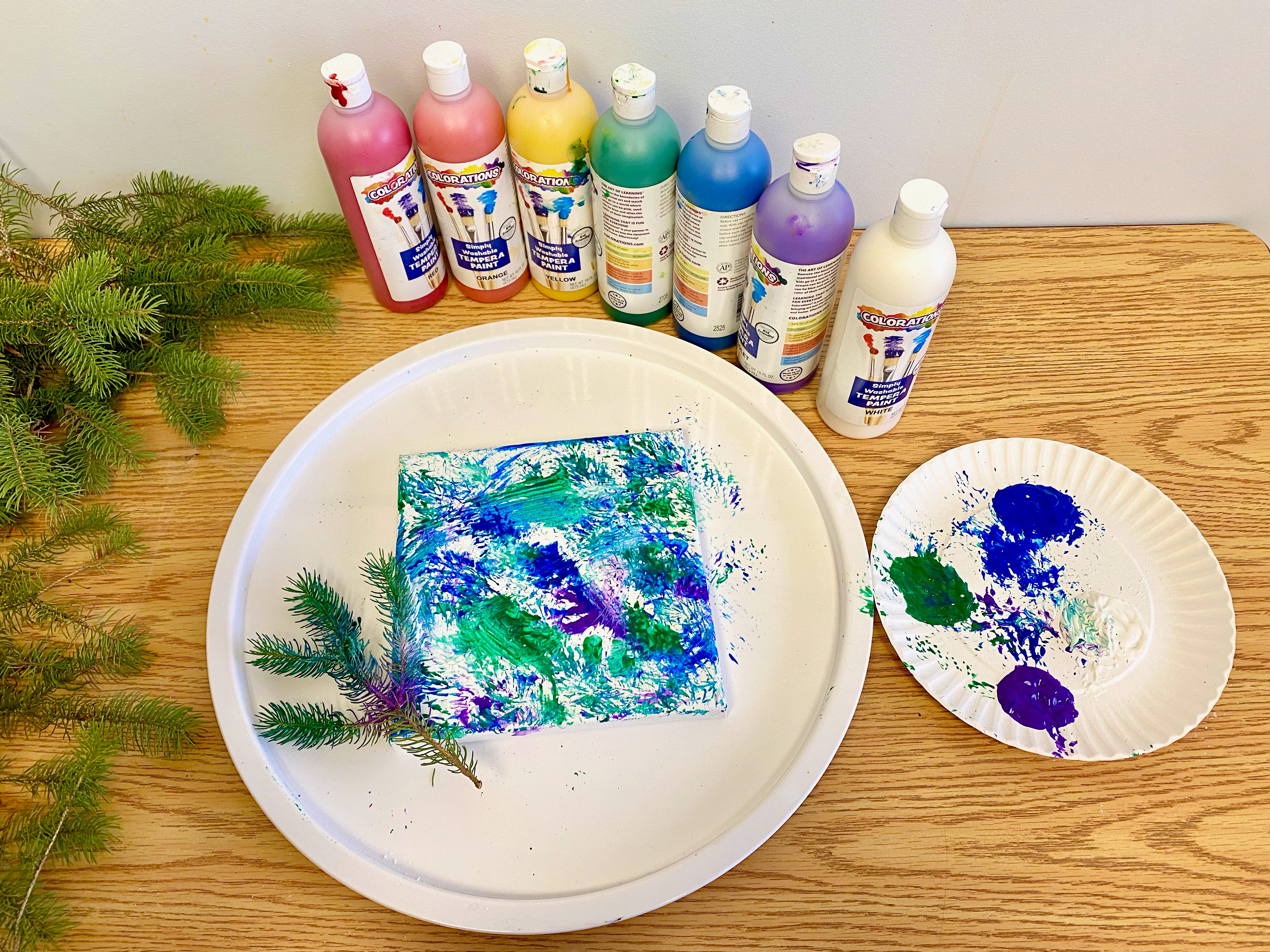
When children step outdoors, they don't just play — they explore, create, and build foundational skills that last a lifetime. One of the most powerful ways to blend creativity and learning in early childhood is through nature-based art. Whether you're in a backyard, forest school, or outdoor classroom, using natural materials for art not only engages young minds but also strengthens fine motor development.
Natural materials such as leaves, twigs, stones, and flowers provide children with tactile, multi-sensory experiences. These materials challenge children's grip strength, hand-eye coordination, and dexterity, which are key components of fine motor development. Unlike traditional crafts, process art with natural elements emphasizes creativity over perfection, allowing each child to explore at their own pace.
In a play-based learning environment, art becomes a tool for discovery and self-expression. Here’s how educators and parents can use nature-inspired activities to promote early development:
Provide a Variety of Materials: Offer different textures and sizes — smooth stones, bumpy bark, soft moss — to challenge fine motor skills in new ways.
Encourage Creativity: Avoid step-by-step instructions. Let children follow their curiosity, make their own choices, and explore their ideas freely.
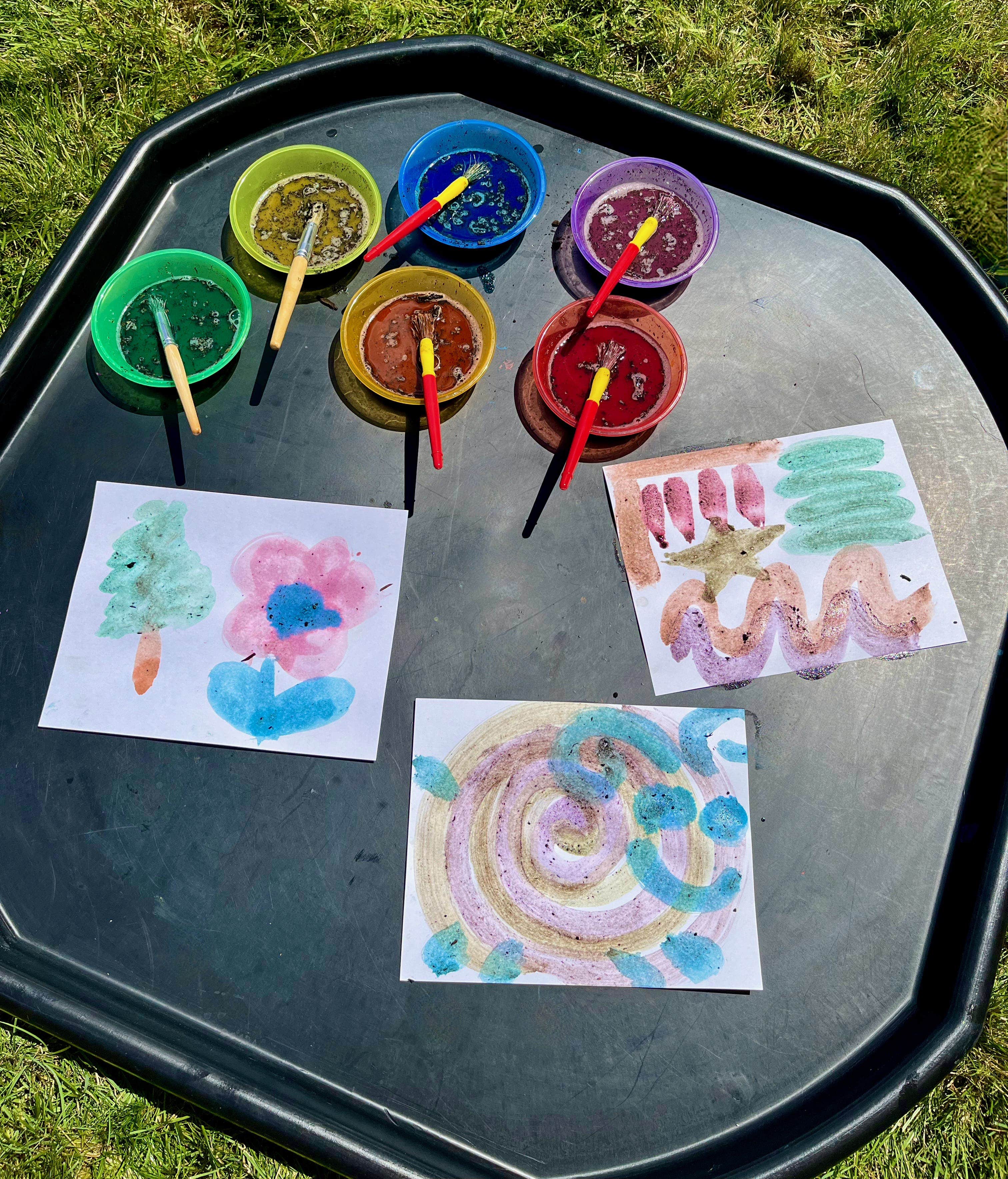
Ask Open-Ended Questions: Spark conversation and reflection. Try, “How does this pine cone feel?” or “What colours can you mix with these petals?”
Celebrate Experimentation: Focus on the joy of creating rather than the final product. Every masterpiece is a success when it’s made through hands-on learning and discovery.

Fine Motor Focus:
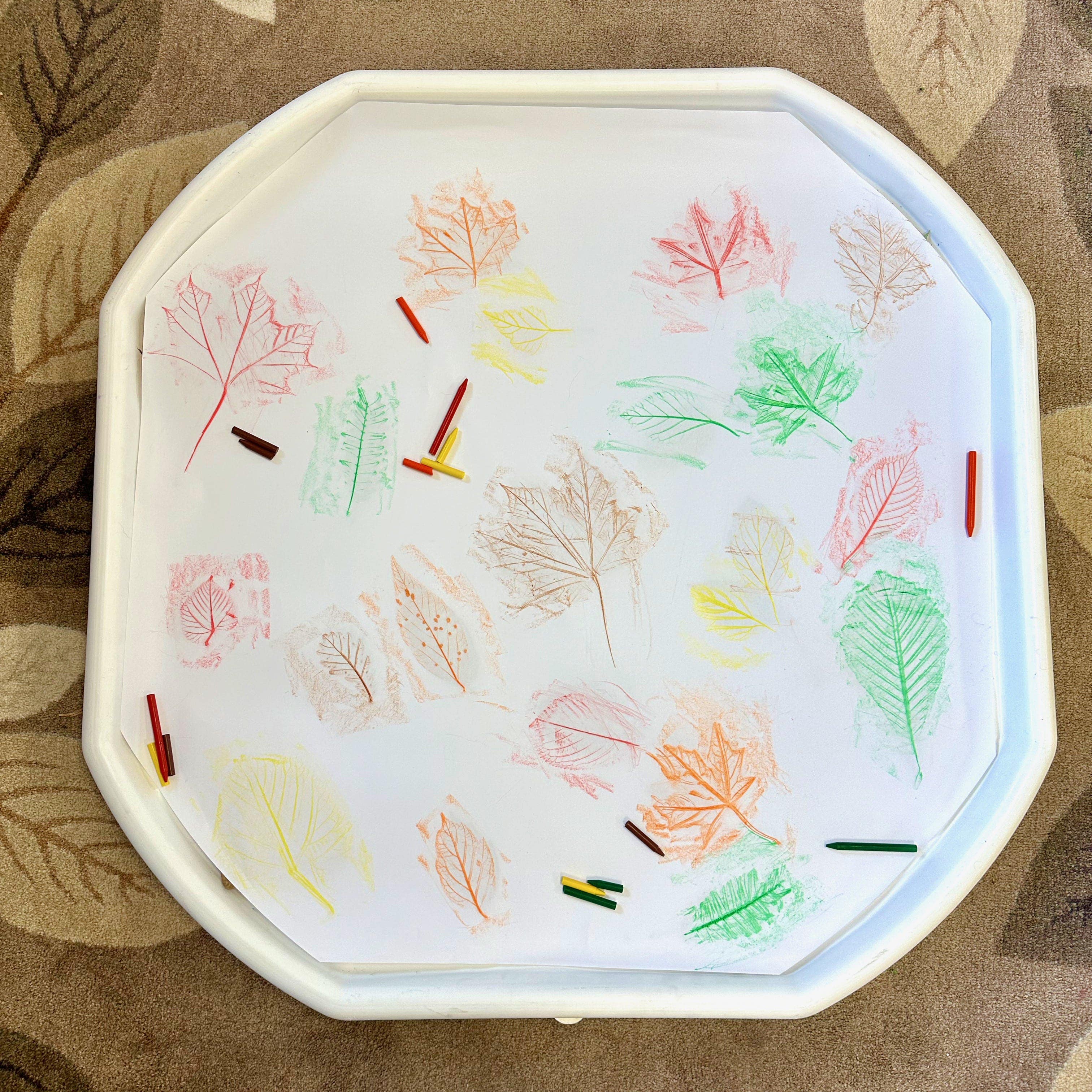
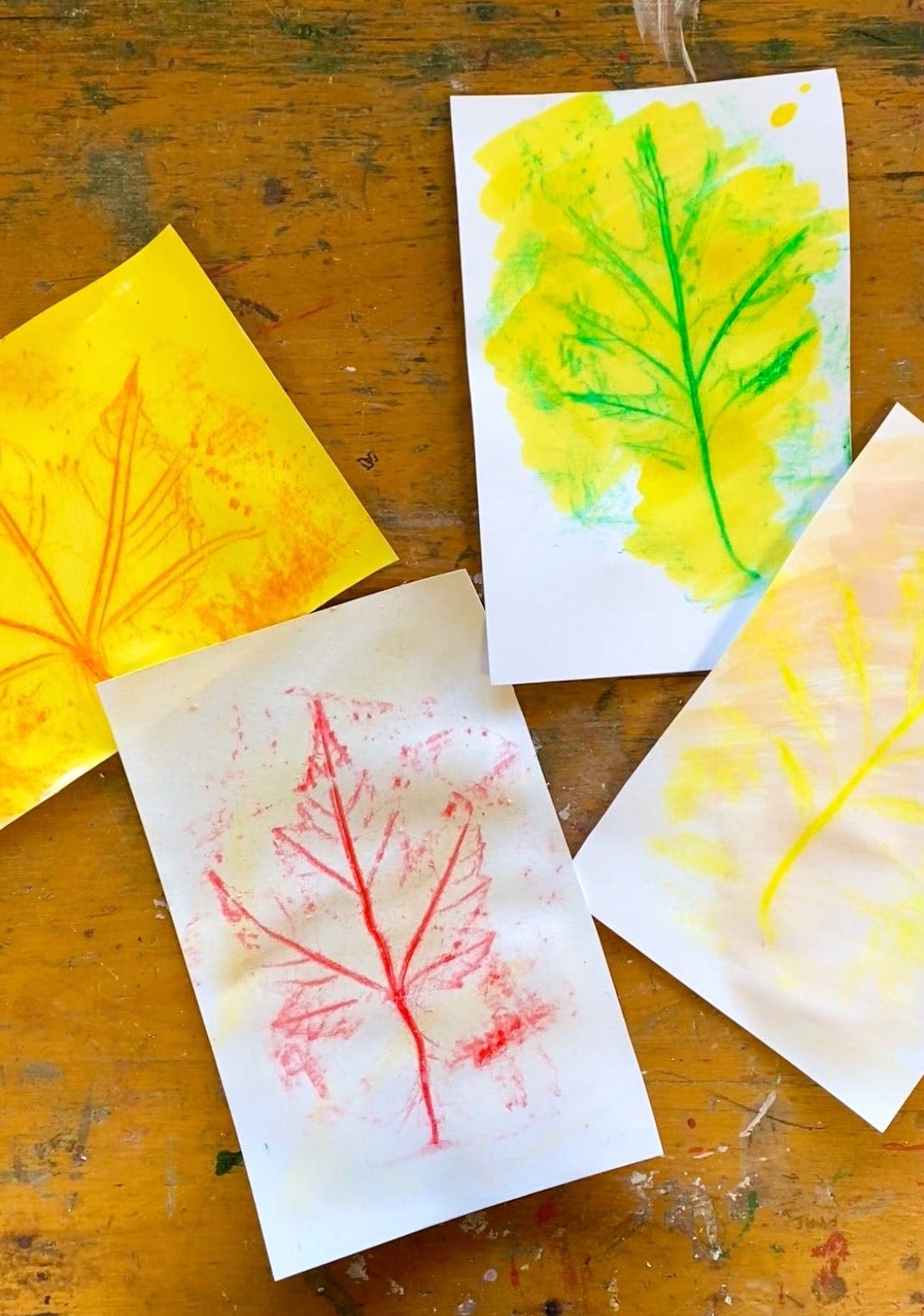
Rubbing motions help develop grip strength, hand-eye coordination, and pressure control, all essential for pre-writing skills.
How To:
Extend the Learning:

Fine Motor Focus:
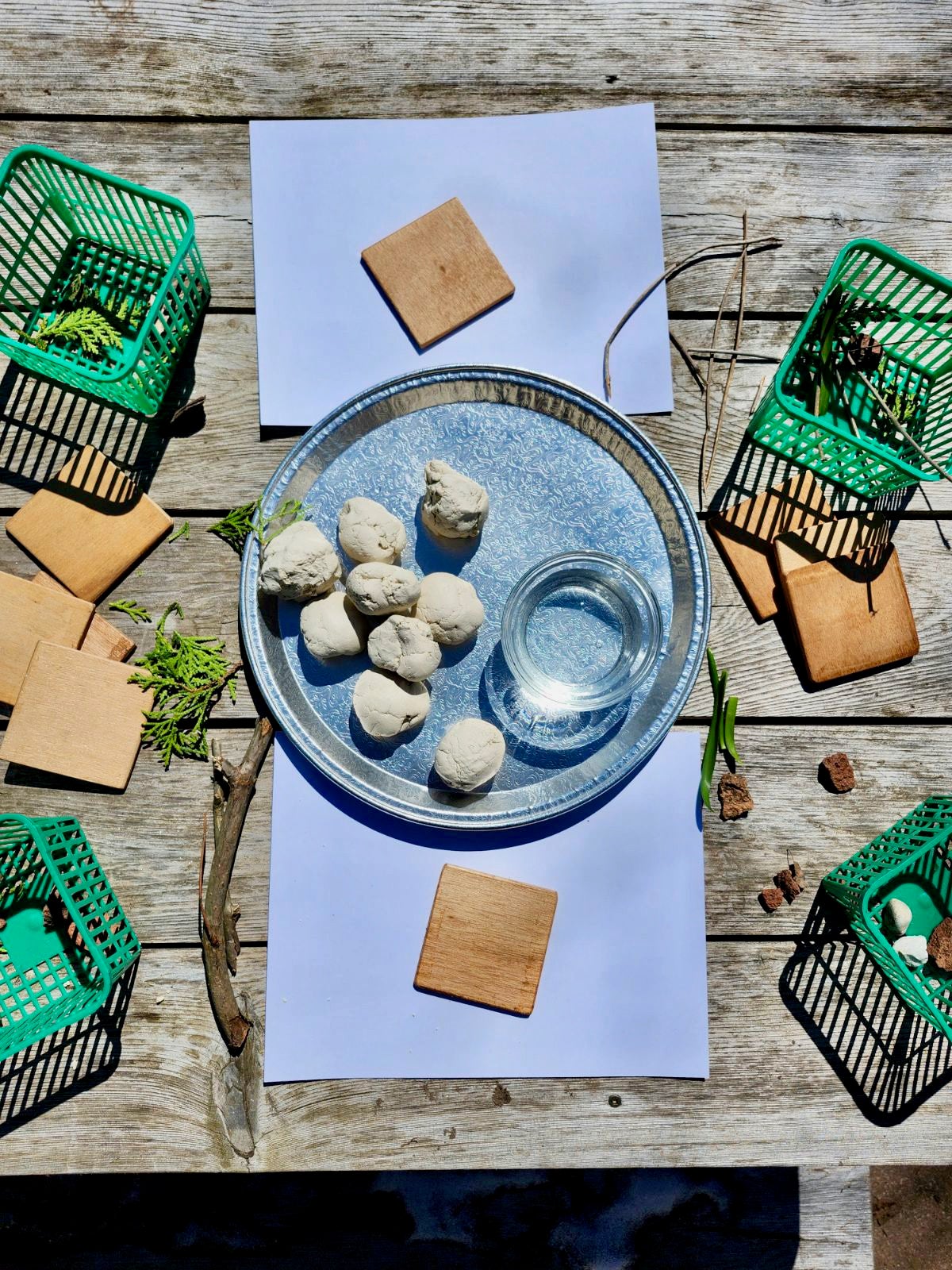
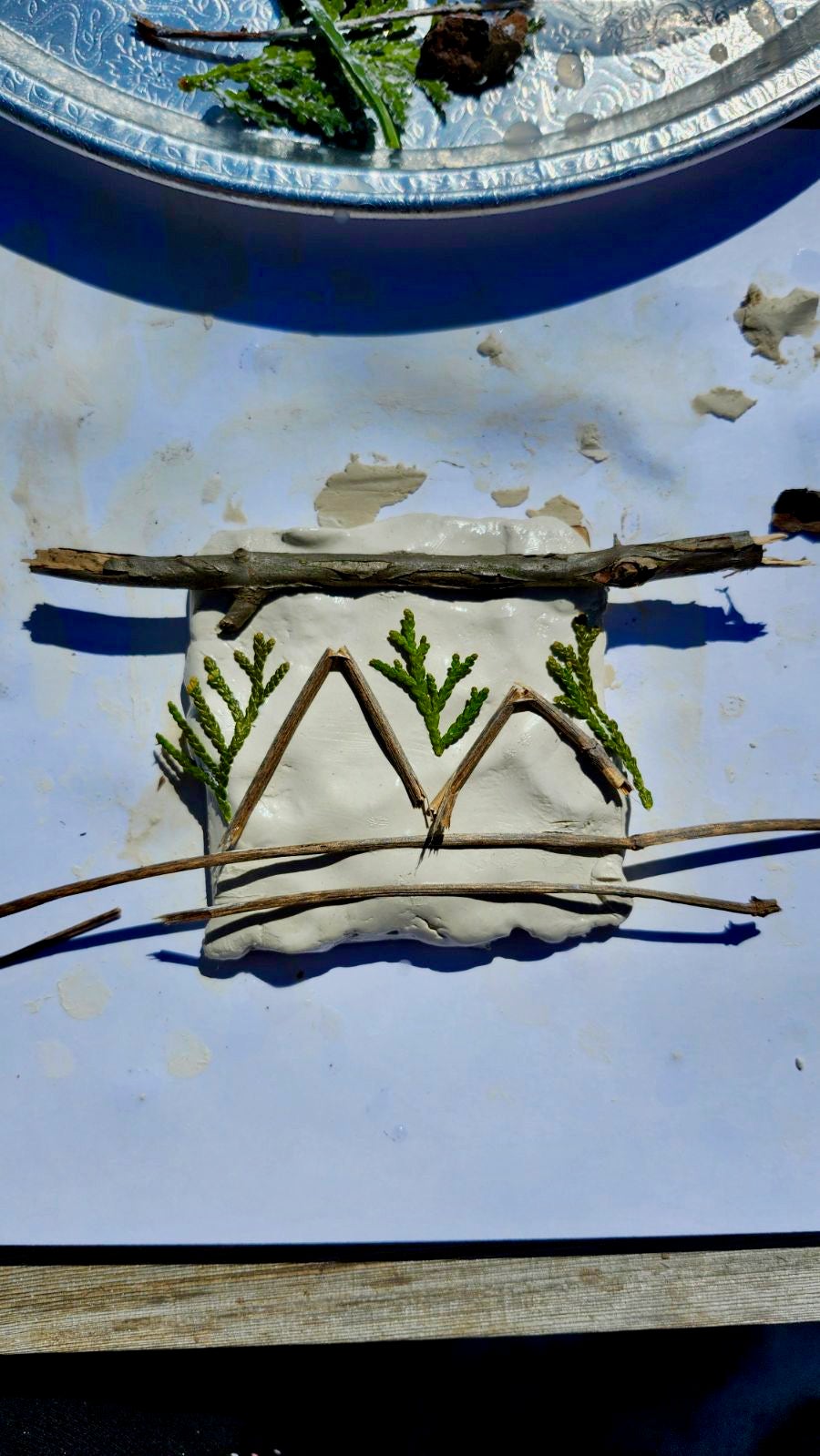
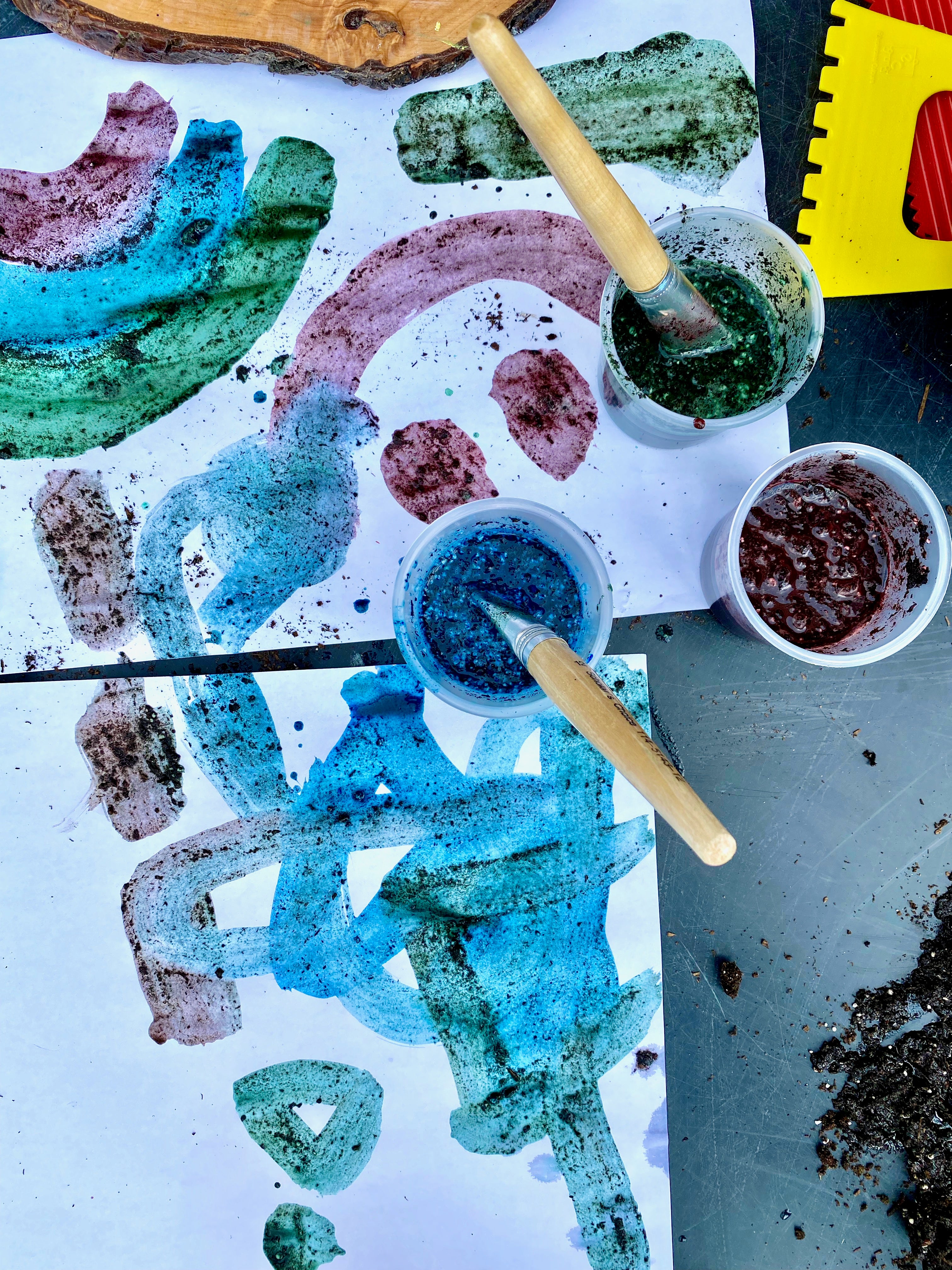
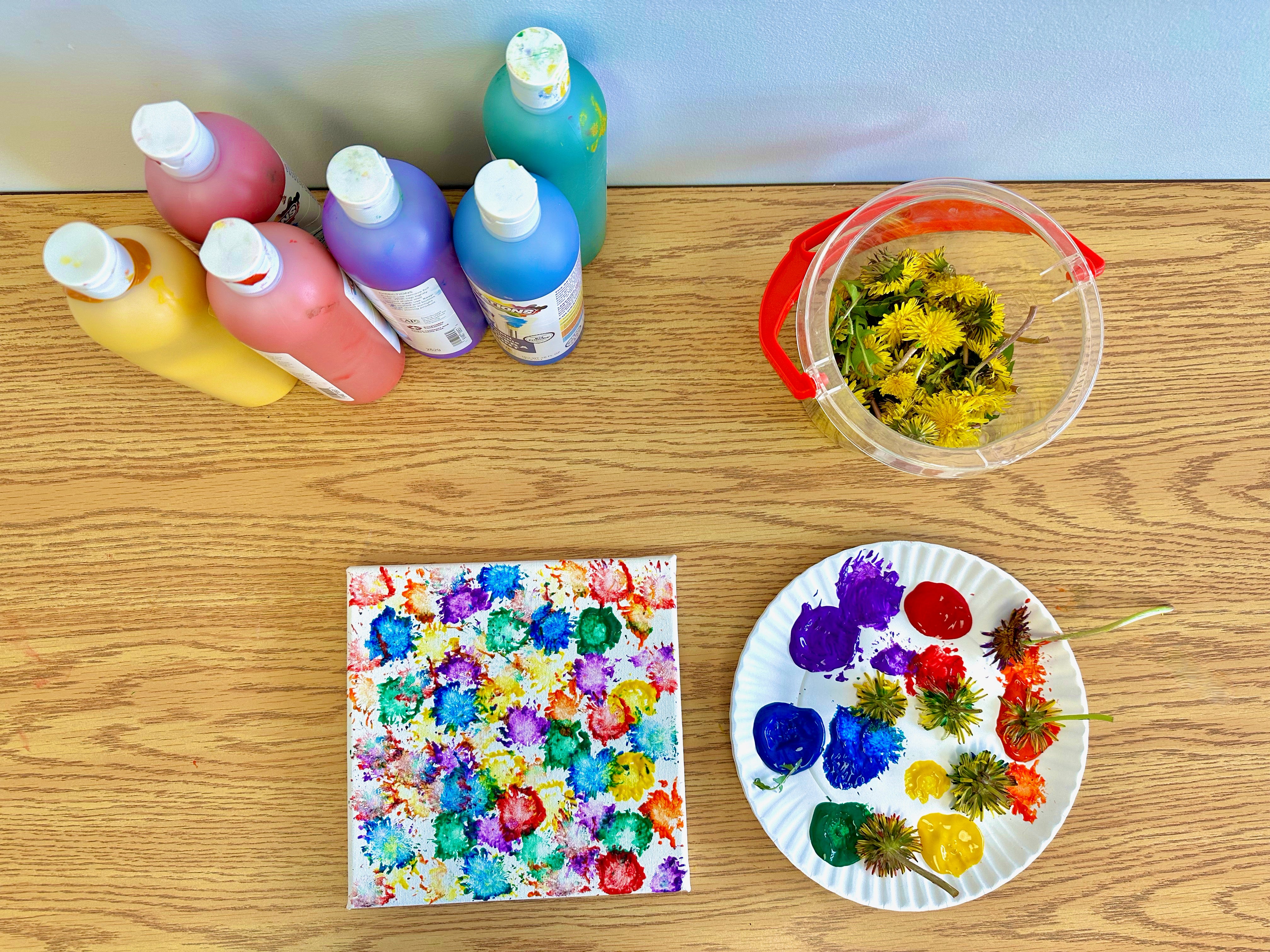
Moulding and stamping with mud encourages finger dexterity, grip strength, and tactile exploration, supporting early writing and pre-cutting skills.
How To:
Extend the Learning:

Fine Motor Focus:
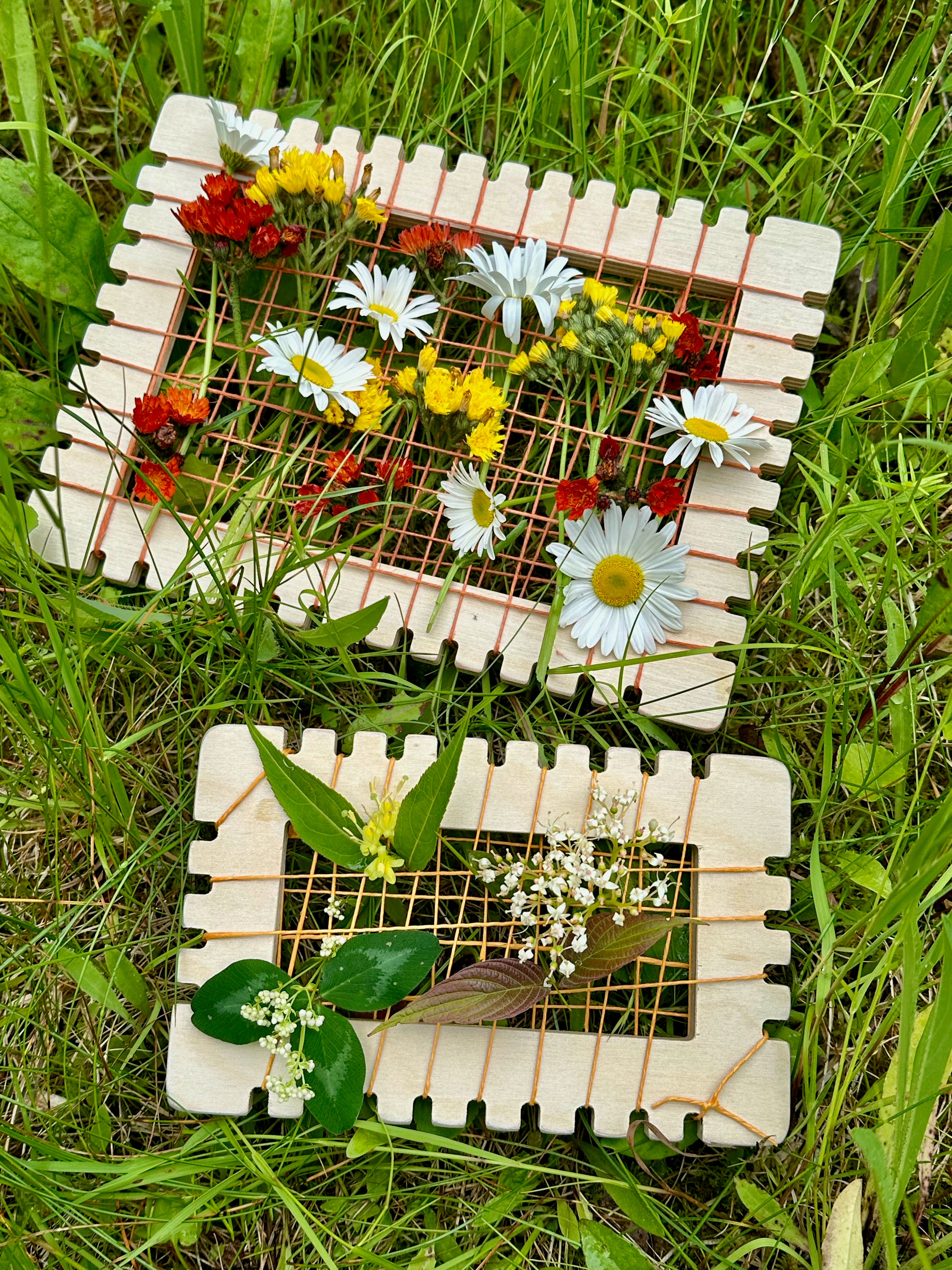
Weaving supports pinching, grasping, and hand-eye coordination, while promoting focus, pattern recognition, and bilateral hand use.
How To:
Extend the Learning:

Fine Motor Focus:
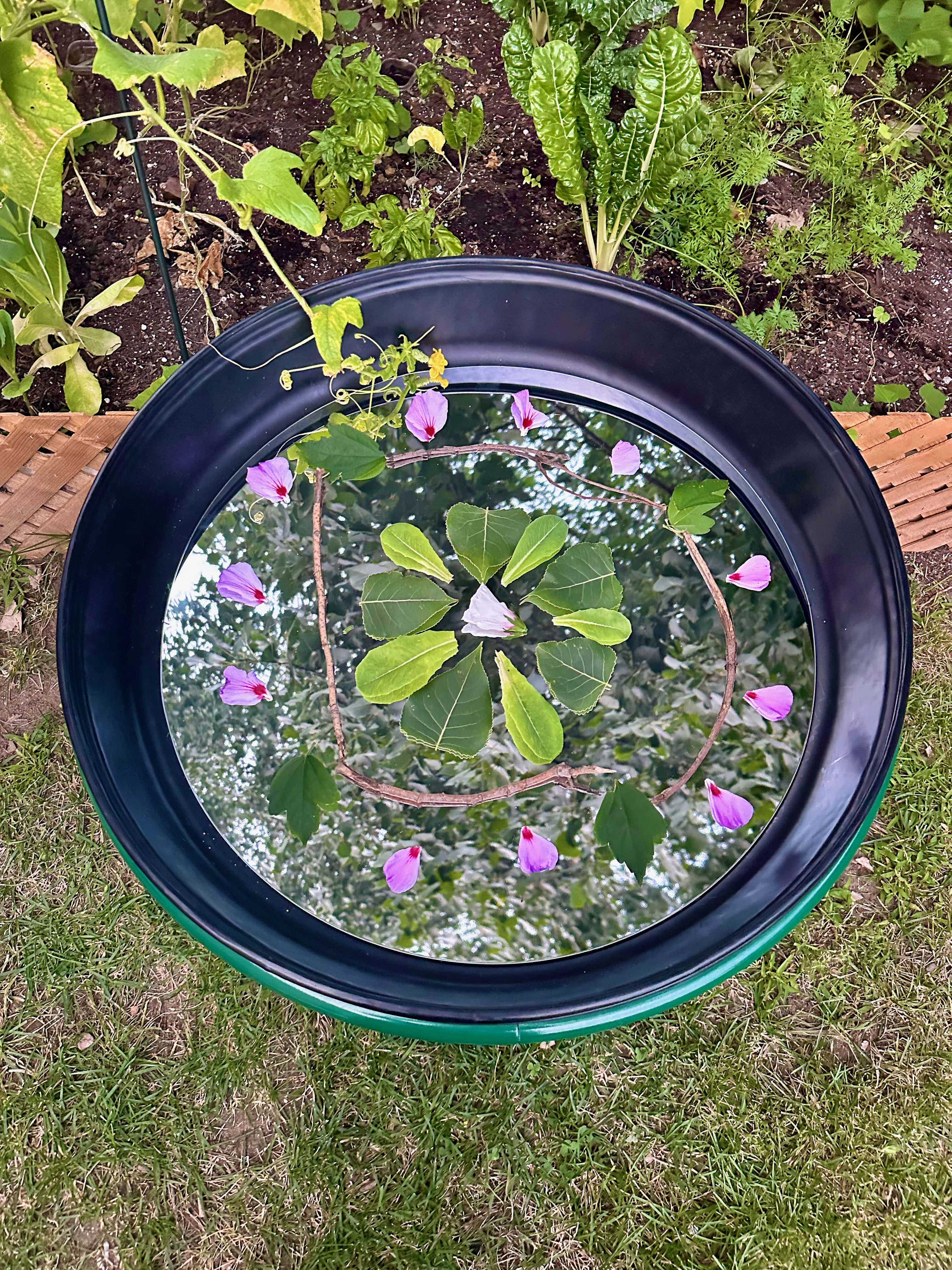
Careful positioning of small, varied materials strengthens hand-eye coordination, fine motor precision, and spatial awareness, while promoting creativity and calm.
How To:
Extend the Learning:

Fine Motor Focus:
Holding and using irregular tools supports grip strength, pressure control, and creative exploration, while encouraging sensory engagement.
How To:
Extend the Learning:

Fine Motor Focus:
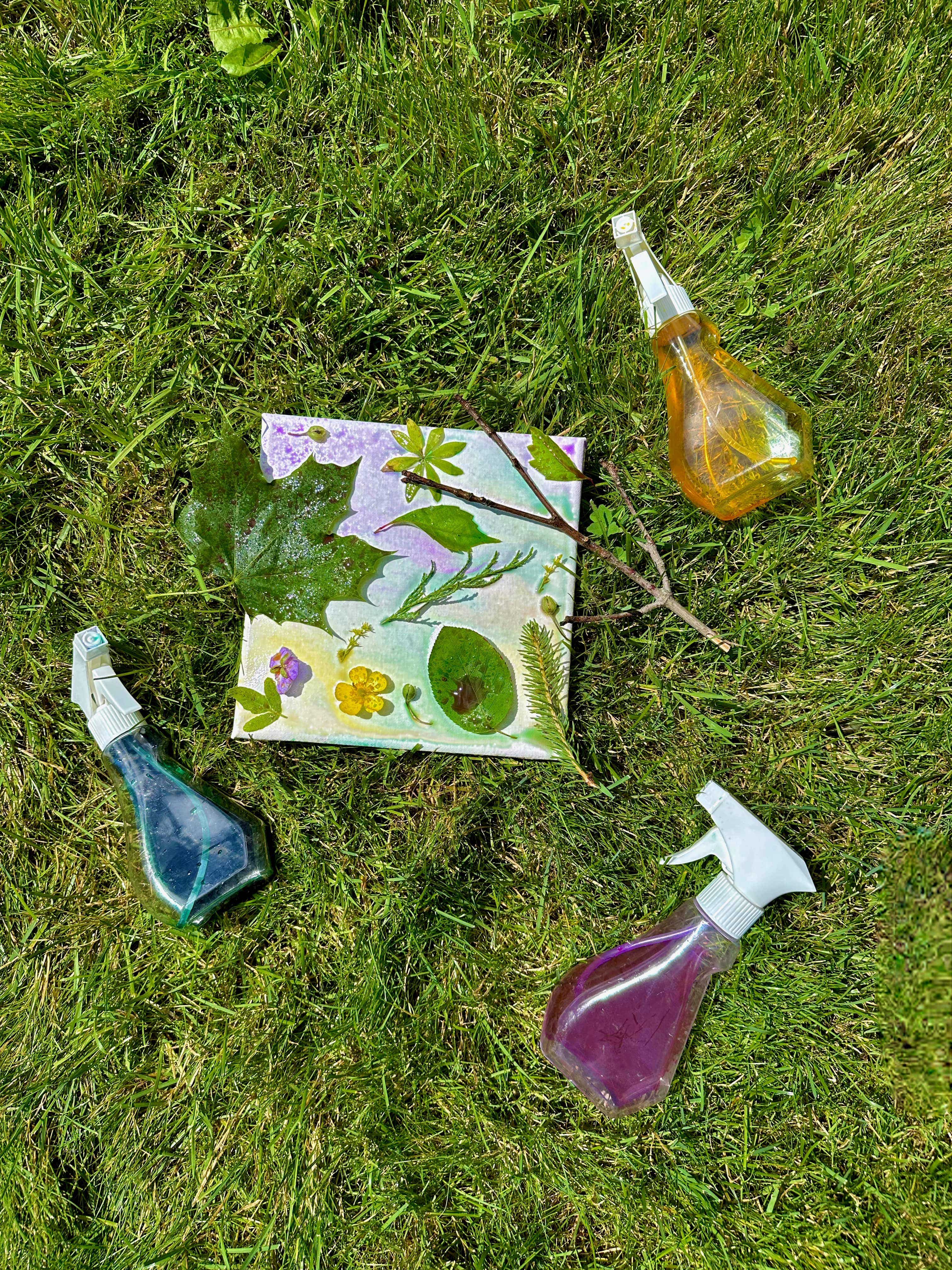
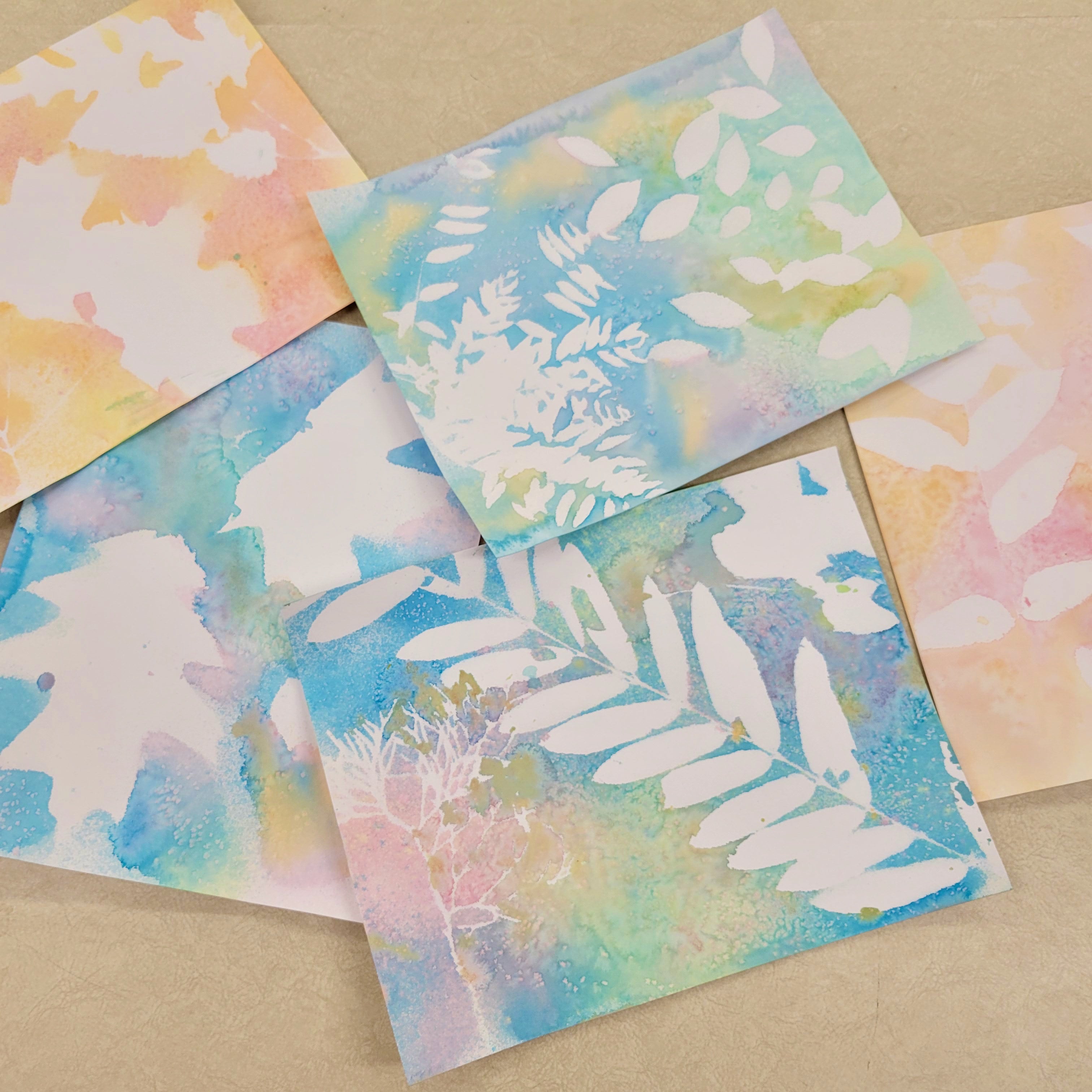
Dabbing, spraying, and carefully arranging the materials encourages hand strength, precision, and bilateral coordination.
How To:
Collect a variety of natural materials (leaves, sticks, pinecones, petals).
Place the items on white paper or a canvas outdoors.
Spray lightly with diluted paint or use sponges to dab paint around the objects.
Carefully remove the items to reveal their silhouettes.
Extend the Learning:
Invite children to trace the shapes with markers or pencils after the paint dries.
Talk about shapes, sizes, and patterns (e.g., “Which leaf is the widest?”).
Introduce shadow exploration by comparing the silhouettes with actual shadows during sunlight play.

Fine Motor Focus:
This activity supports hand-eye coordination, pinching, and grasping — especially when manipulating small objects with control.
How To:
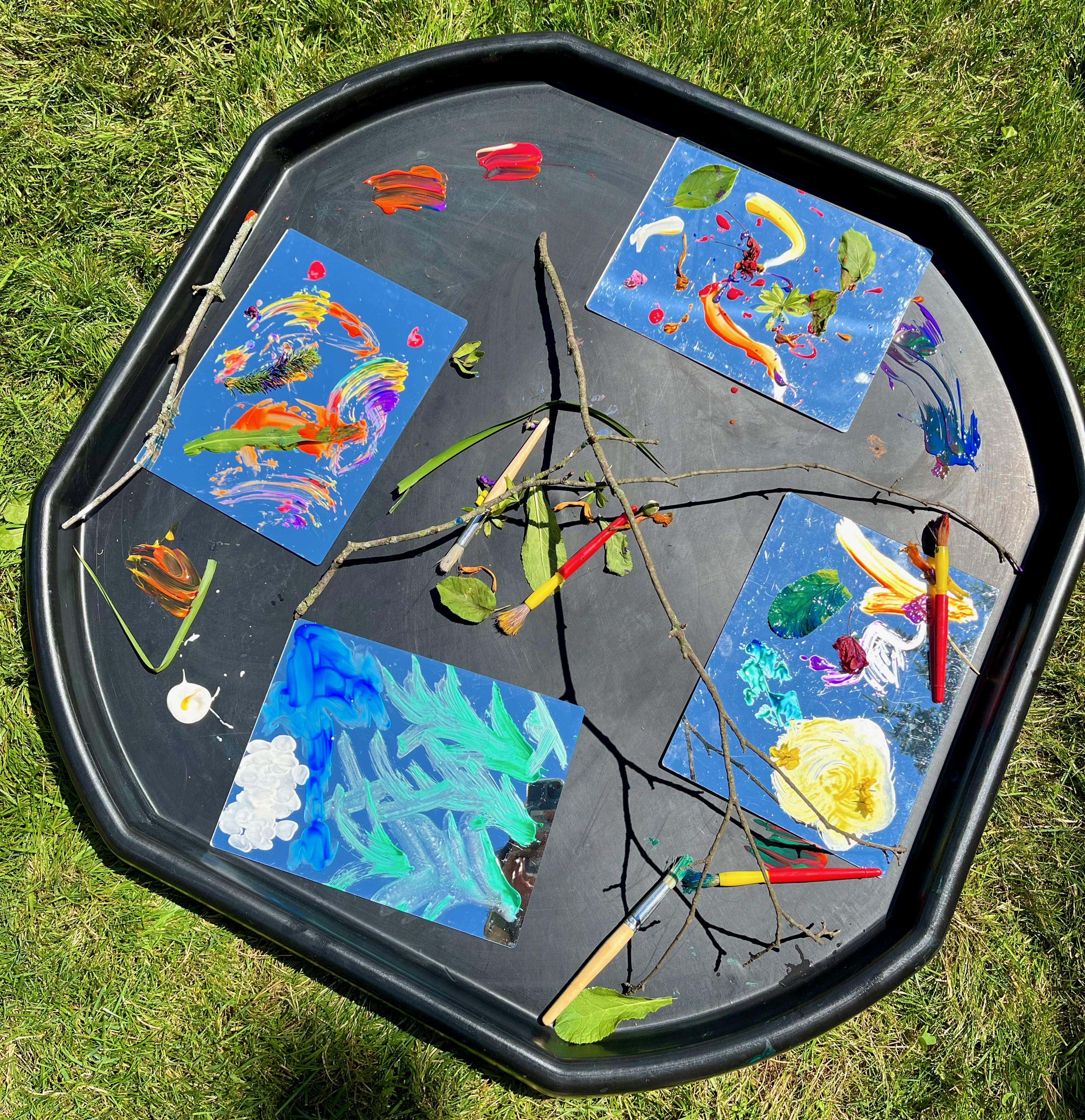
Use a small child-safe acrylic mirror or mirror tray.
Collect flowers, twigs, and leaves and invite children to dip them in washable paint.
Press or drag them across the mirror surface to create reflective artwork.
Use fingers or brushes to blend and swirl colours.
Extend the Learning:
Encourage children to describe what they see reflected in the mirror while painting.
Introduce symmetry concepts by folding paper over mirror designs.
Pair with a nature scavenger hunt for materials to add to their creation.

Fine Motor Focus:
Making and using these brushes promotes dexterity, tool control, and wrist rotation — essential skills for future writing.
How To:
Gather sticks or small twigs.
Use rubber bands or twine to attach grass, pine needles, feathers, or leaves to one end — creating DIY paint brushes.
Let children dip their brushes in paint and explore textures on paper or fabric.
Extend the Learning:
Compare different textures by creating a chart: Which brush makes thick lines? Which feels soft?
Explore colour mixing as children dab and swirl their brushes.
Discuss cause and effect: “What happens when we press harder with our nature brush?”
Engaging in nature-based process art helps children:
Build fine motor control and hand strength
Develop concentration and focus
Strengthen sensory integration
Foster independence and confidence
Learn about patterns, shapes, and symmetry
And perhaps most importantly, it nurtures a deeper connection to the natural world.
Art doesn’t need to happen at a table with crayons and markers. It can happen in the forest, in a garden, or under the shade of a tree. Whether at home or in a child care centre, nature-based art activities are simple to set up, engaging for learners, and rich in developmental value.
By valuing the process of creation over the product, we empower children to explore, experiment, and express themselves; all while developing crucial skills through play-based, outdoor learning.
So step outside, let your learners collect nature’s treasures, and watch them transform into confident little artists, one leaf print and mud sculpture at a time.